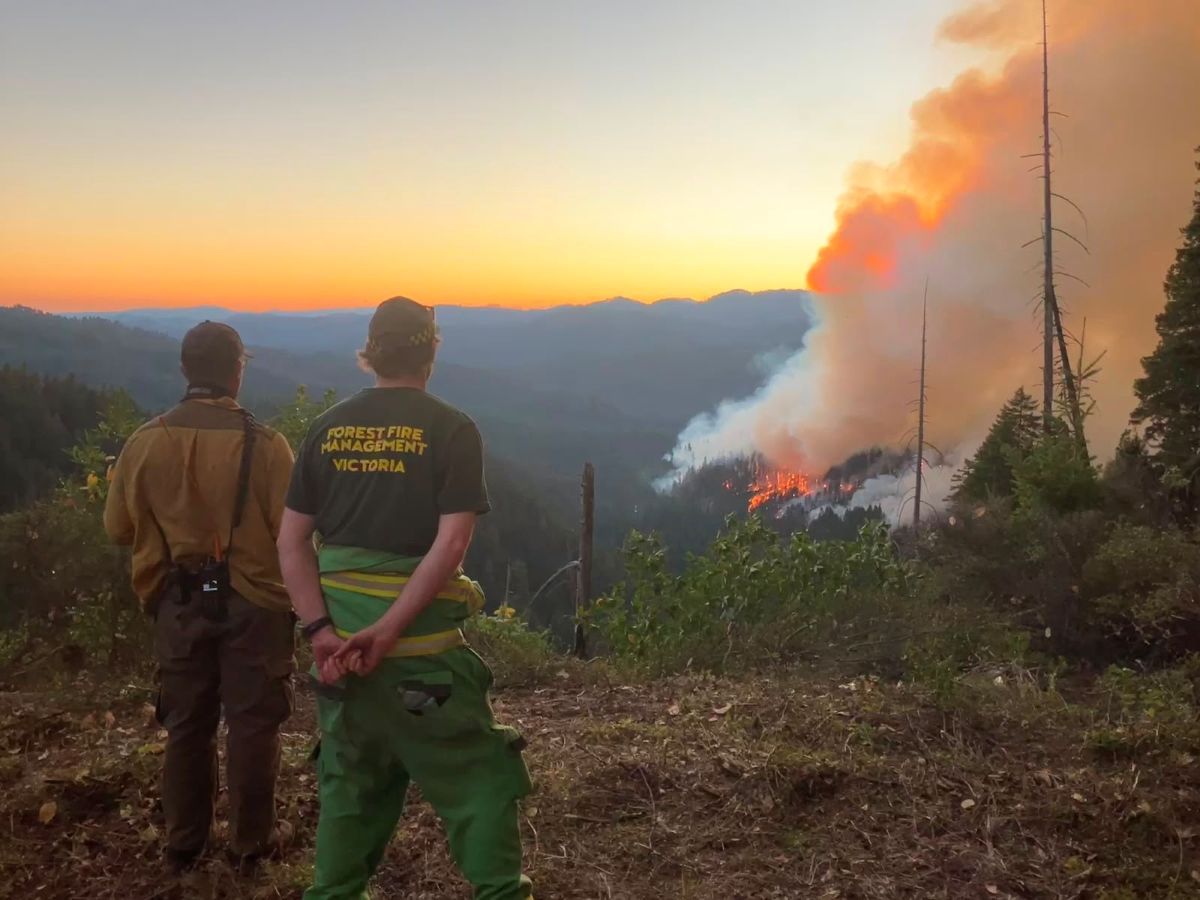
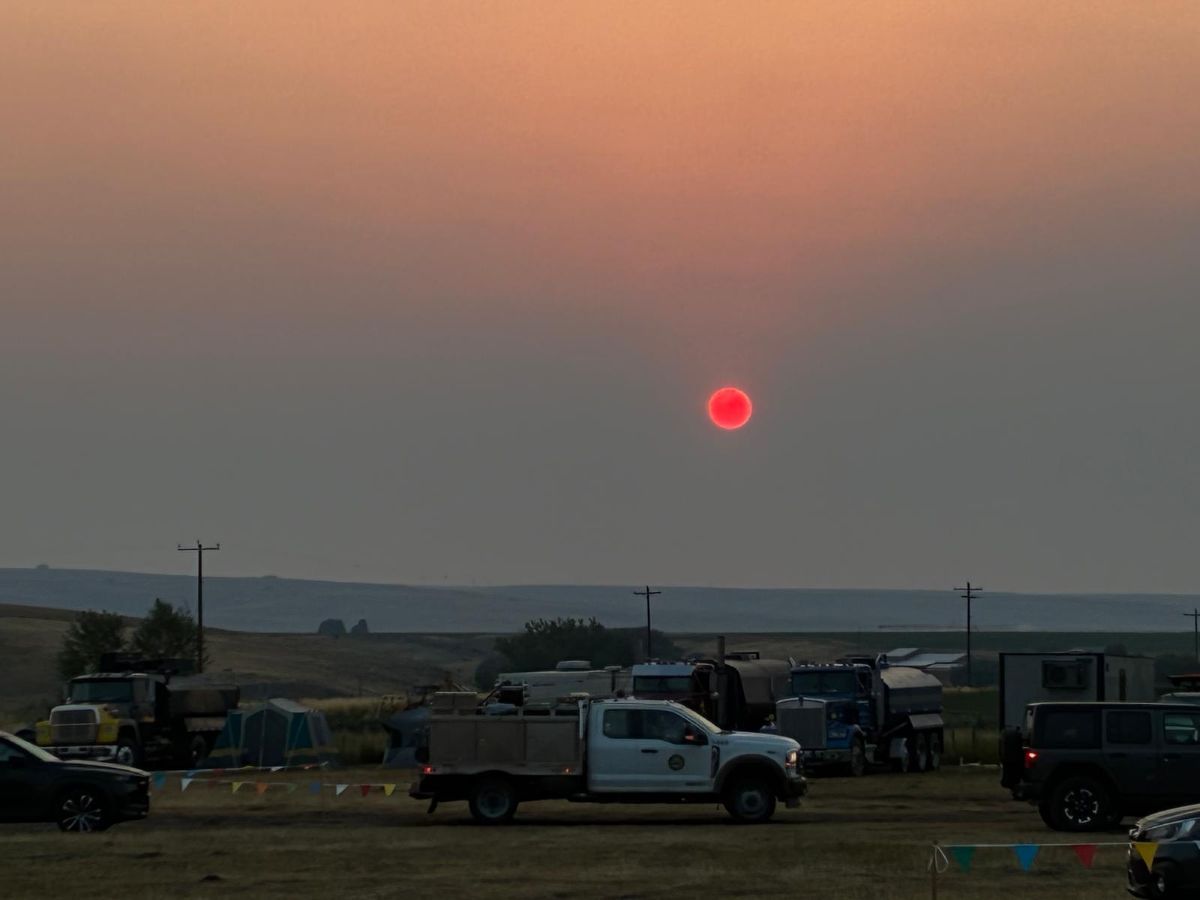
That's the reality facing the western United States, where one of the country's busiest wildfire seasons is stretching firefighting resources across Oregon, Washington State and Idaho.
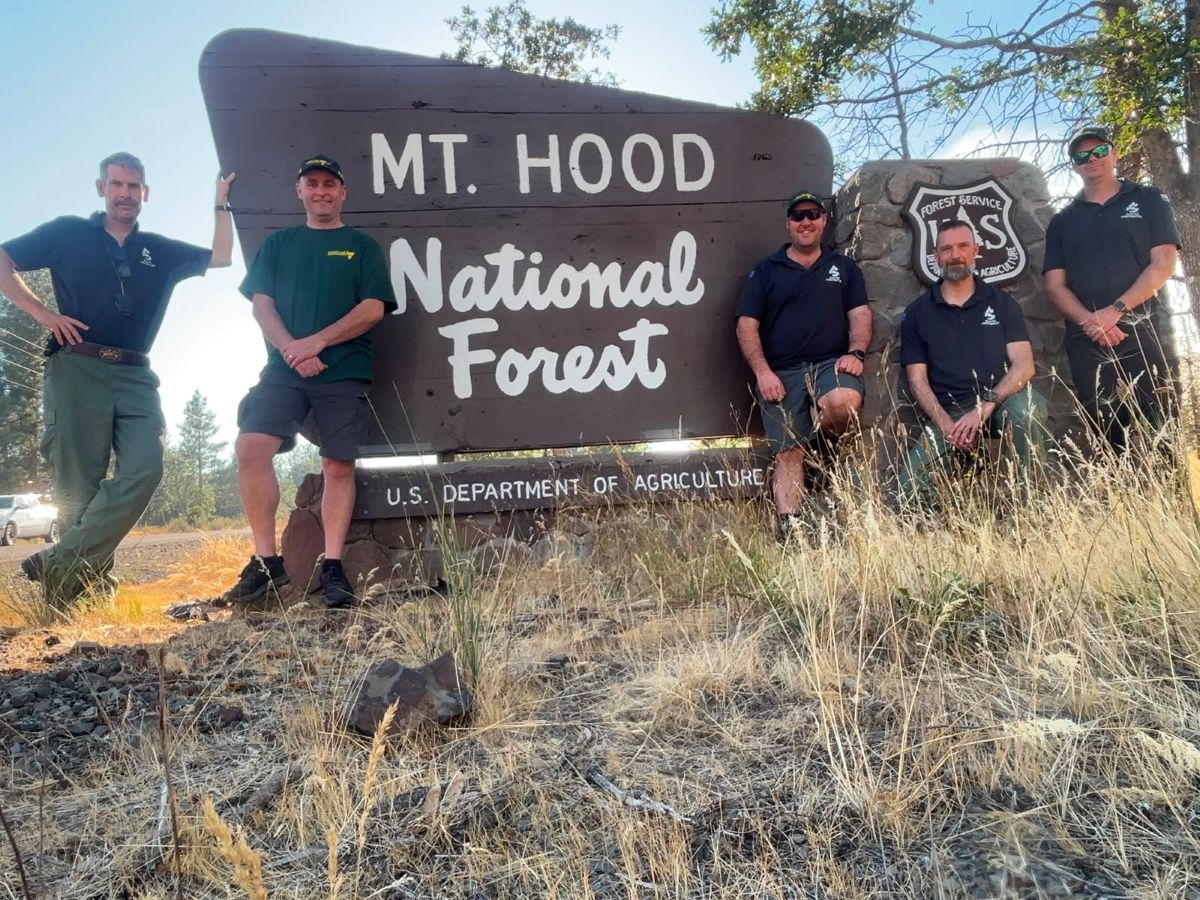
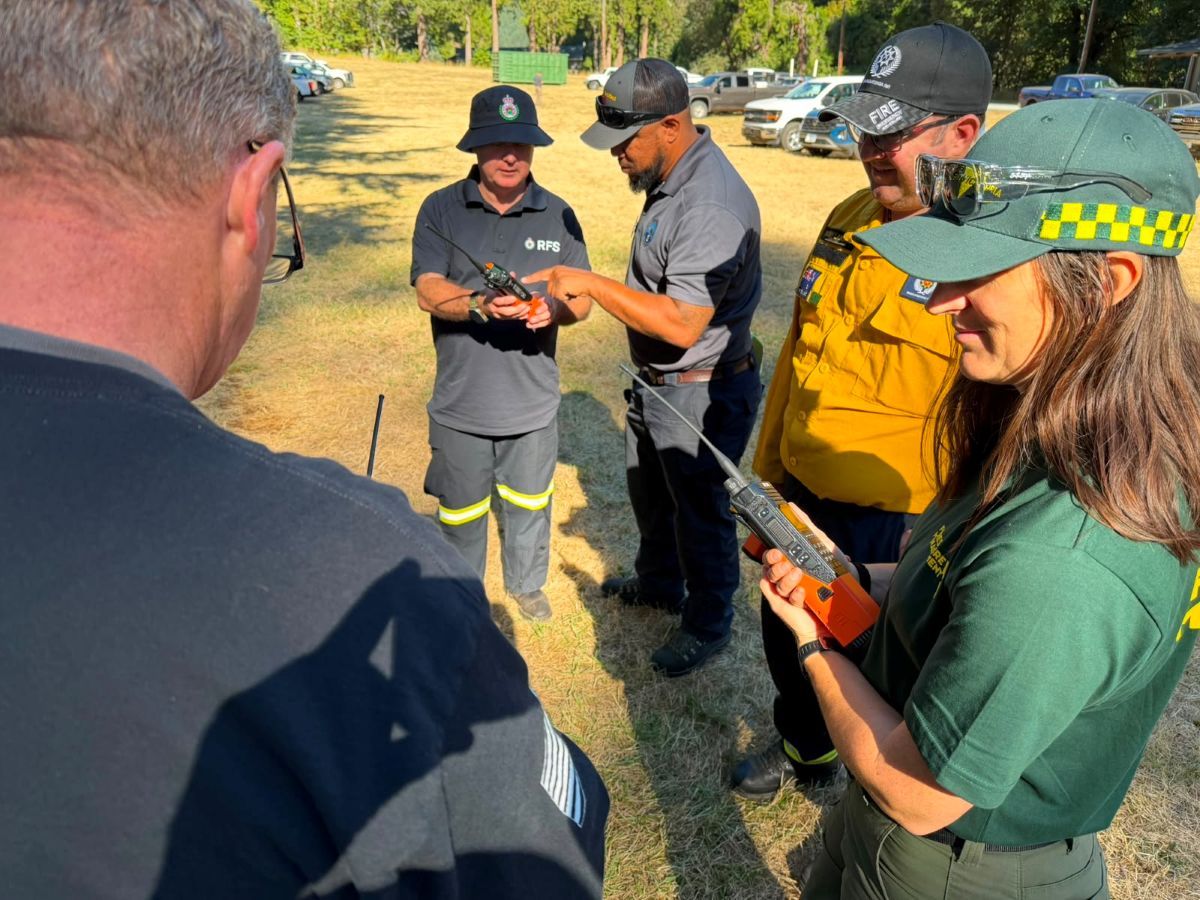
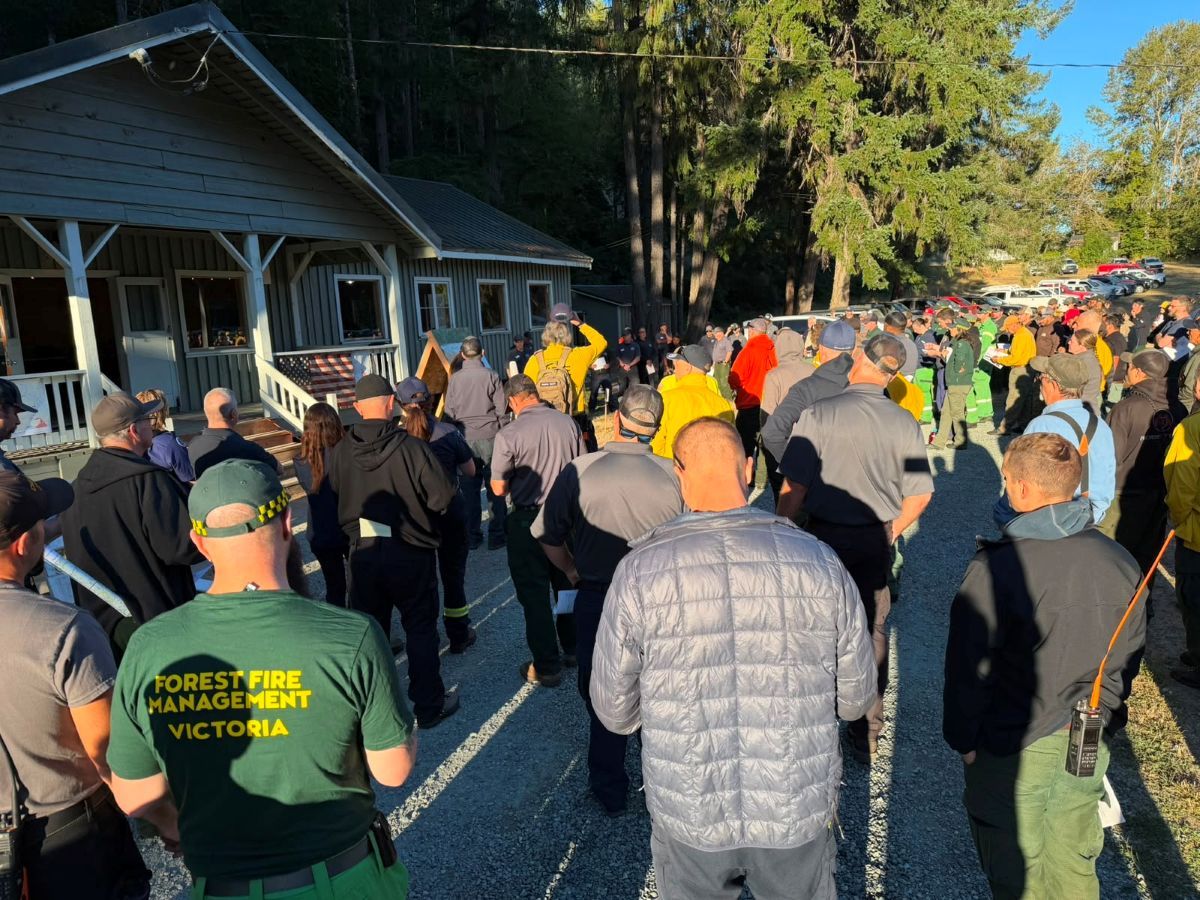
Among those helping are 20 Forest Fire Management Victoria (FFMVic) personnel, who have joined firefighters from Australia, New Zealand and the United States to support large and complex wildfire operations.
The deployment is part of a 74-member Australia and New Zealand contingent working across 12 major fires, providing specialist skills and leadership where they are needed most.
Supporting the response on the ground and in the air
FFMVic personnel are contributing across every level of the firefighting effort.
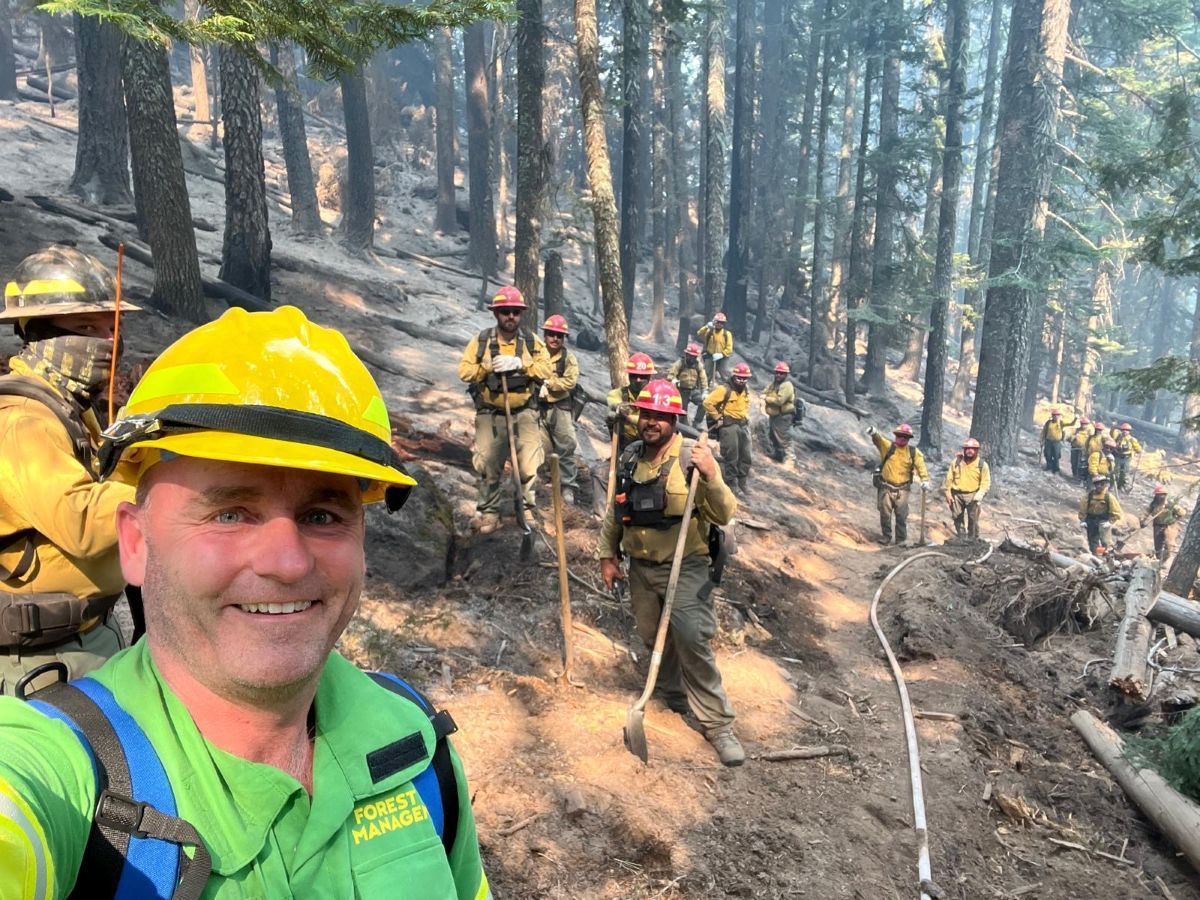
On the fireground, they are supervising United States firefighting crews, constructing and strengthening control lines, coordinating aviation resources and carrying out backburning operations to slow the spread of fire and help protect communities, infrastructure and the environment.
Others are supporting complex Incident Management Teams in specialist roles including Safety Officer, Divisional Commander, Task Force Leader, Aircraft Officer, Helibase Manager and Field Plant Supervisor.
Leadership beyond the fireground
Not all of the work happens on the frontline.
Sam Quigley, FFMVic Deputy Chief Fire Officer for Gippsland, is based at the National Interagency Fire Center (NIFC) in Idaho as the International Liaison Officer, coordinating and supporting Australian and New Zealand personnel deployed across the United States.
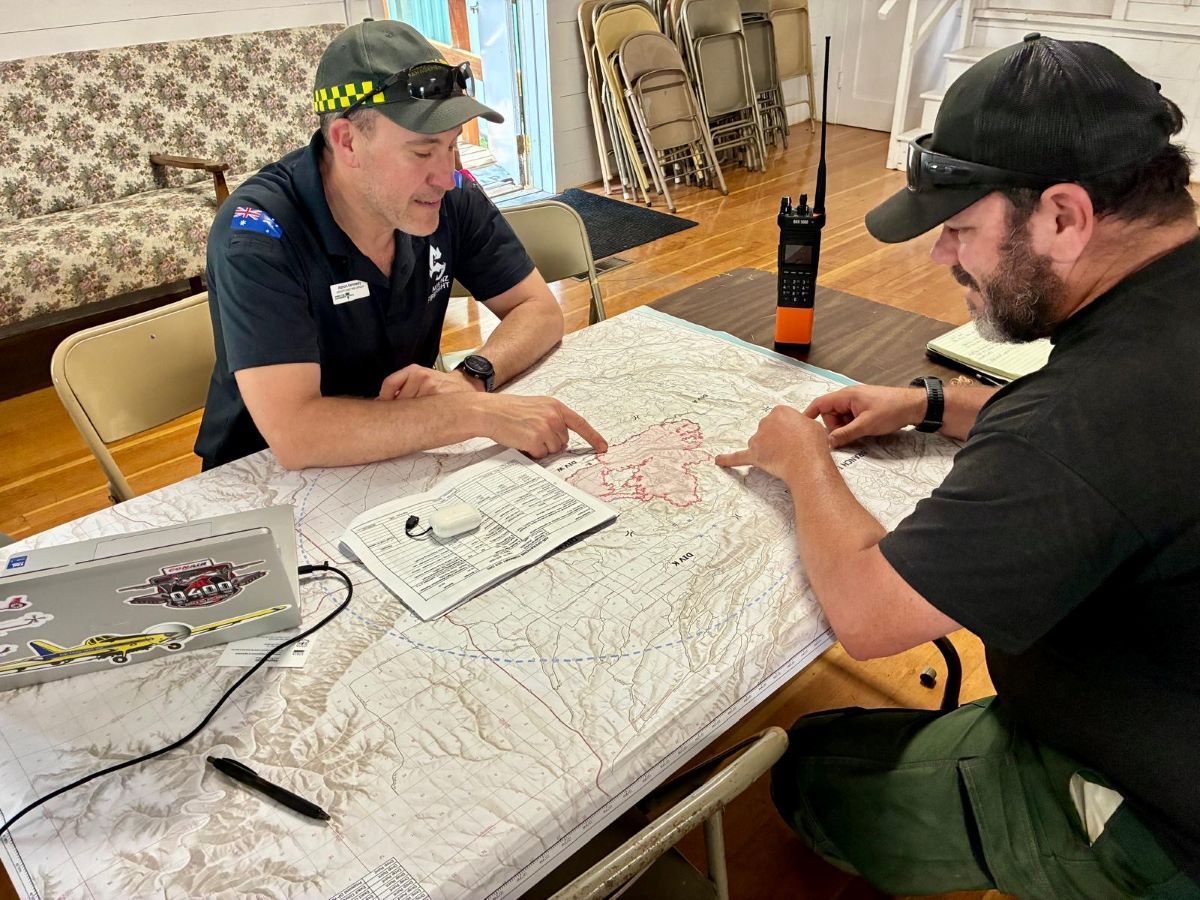
Aaron Kennedy AFSM, FFMVic Deputy Chief Fire Officer for Hume, is undertaking the role of Area Representative, providing leadership, welfare support and coordination for Australasian firefighters working across multiple incidents throughout the Northwest.
"Our personnel are contributing across every level of the response – from leading crews on the fireground and managing aviation operations to supporting incident management teams.
“Their professionalism, adaptability and operational experience continue to make a valuable contribution to large and complex wildfire incidents," Mr Kennedy said.
A season testing firefighting resources
The 2026 wildfire season has been one of the most demanding in recent years.
More than 43,000 fires have burned over 4.5 million acres across the United States, exceeding the 10-year average for both the number of fires and area burned.
Fire activity remains especially intense across the Pacific Northwest, where the Northwest Geographic Area is operating at Preparedness Level 5, the highest national level of fire readiness.
There are currently 84 large fires burning across the country, including 45 uncontained fires in Oregon and Washington alone. More than 26,000 firefighters and support personnel, supported by hundreds of fire engines, crews and helicopters, are working to contain fires under challenging conditions, with forecasts warning that dry thunderstorms could spark new fires across several western states.
A partnership that benefits everyone
The deployment reflects the long-standing partnership between firefighting agencies in Australia, New Zealand and the United States, where countries support each other during major fire seasons.
While FFMVic personnel are helping protect communities overseas, they are also gaining valuable experience working in different landscapes, alongside different agencies and under different operating conditions.
“The knowledge and lessons they bring home help strengthen Victoria's own bushfire capability, ensuring local communities also benefit from these international partnerships,” Mr Kennedy said.
Page last updated: 03/08/26