Camping in Victoria is often saved for warmer long weekends, public holidays and long summer days. But winter offers a different kind of experience, with quieter campsites, peaceful tracks and unique views of our state parks.
With a bit of preparation, you can enjoy the cooler months in comfort.
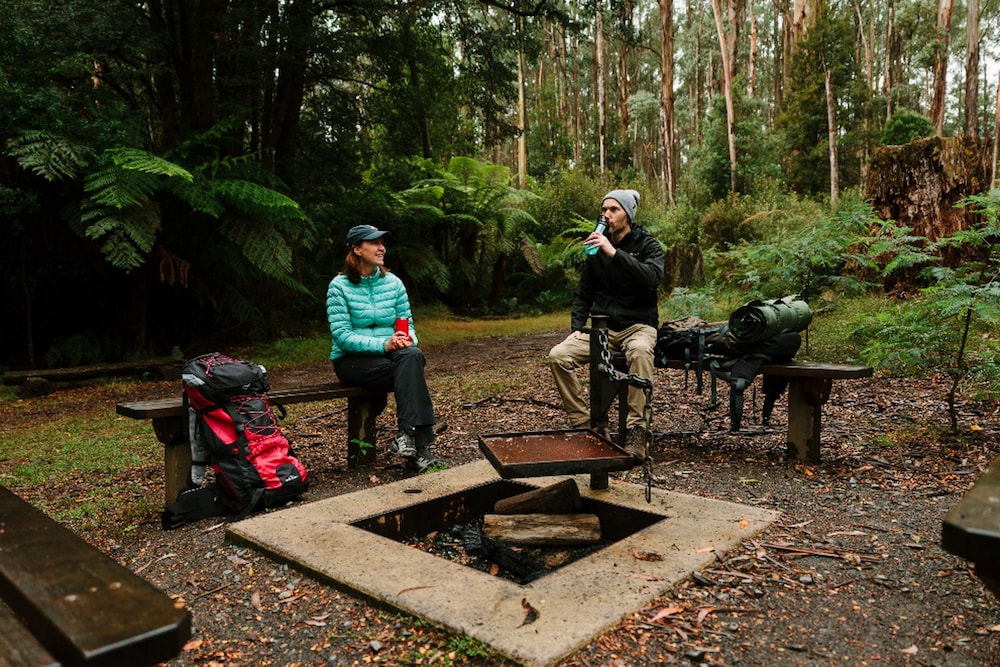
Dress in layers
When camping in winter, dressing in layers is one of the best ways to stay warm.
A good rule of thumb is to wear three to four layers. Start with a moisture-wicking base layer to help draw sweat away from your skin. Add insulating layers such as fleece or wool to retain heat, then finish with a waterproof and wind-resistant outer layer.
Layering gives you the flexibility to adjust your clothing throughout the day as temperatures change or your activity levels increase.
Choose a tent suited to the conditions
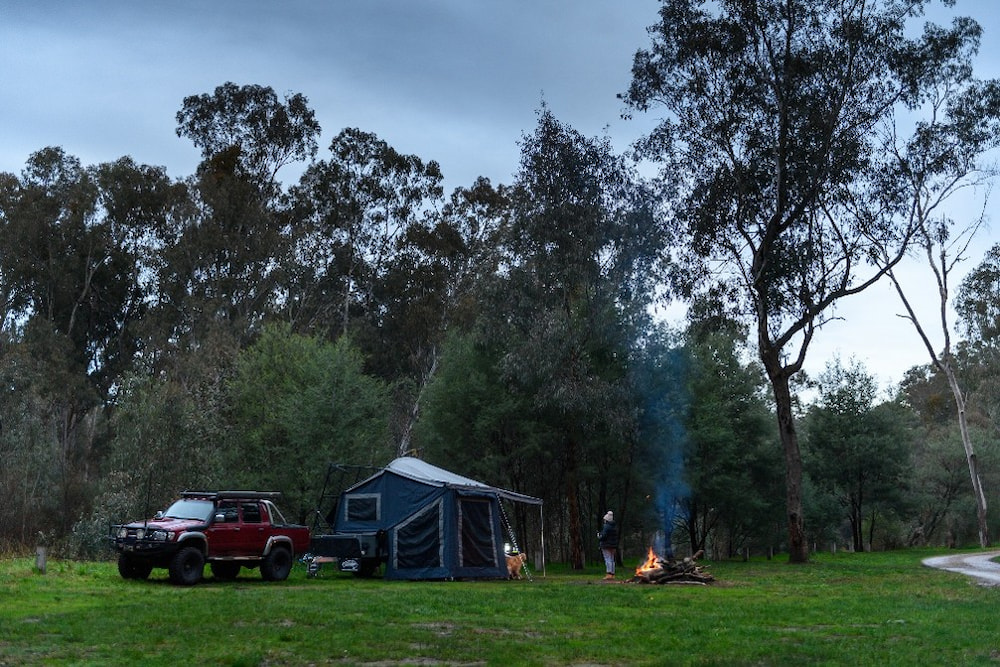
The right tent can make a big difference to your comfort.
If you're expecting colder temperatures, strong winds or alpine conditions, consider using a four-season tent. These tents are designed to withstand harsher weather and are generally more structurally robust than standard camping tents.
Always check the forecast before you leave and choose equipment that suits the conditions you'll be camping in.
Set yourself up for a warm night's sleep
A comfortable night's sleep starts with the right gear.
Make sure your sleeping bag has a temperature rating that matches or exceeds the forecast overnight temperature.
If investing in a new sleeping bag isn't within your budget, a sleeping bag liner can be a smart alternative, adding between 3°C and 14°C of extra warmth depending on the material.
For added comfort on particularly cold nights, consider filling a hot water bottle before bed.
Insulate yourself from the cold ground
Staying warm isn't just about what you wear. Insulating yourself from the cold ground is equally important.
Sleeping mats are given an R-value, which measures their insulating ability. Ratings generally range from 0 to 6+, with higher values providing greater insulation.
For very cold or icy conditions, consider a sleeping mat with an R-value of around 6. When choosing a mat, check the manufacturer's specifications and select a rating that is suitable for the conditions you expect to be camping in.
Enjoy your campfire safely
Few things are more enjoyable than gathering around a campfire on a cold winter evening.
If campfires are permitted, bring enough firewood from home and use designated fireplaces where available. Always check local conditions and restrictions before lighting a fire. Never leave a fire unattended, and make sure it is fully extinguished with water before leaving the area or going to sleep.
Check conditions before you go
Before heading into a state forest, take a few minutes to check conditions and plan your trip.
The More to Explore app can help you identify road closures and recreation sites that may be affected. You can also view forest and road closures on our interactive map, while broader road closure information is available through VicTraffic.
Before you leave, it's also a good idea to check for emergency warnings, incidents and weather conditions. Visit VicEmergency or Bureau of Meteorology for the latest weather forecasts and information about any incidents that could affect your trip.
If heavy rain or flooding is forecast, avoid driving through floodwater or fast-flowing rivers. Conditions can change quickly, and even shallow water can be dangerous. If a road is flooded, turn around and find an alternative route.
Checking conditions before you leave can help you avoid disruptions and make the most of your winter camping experience.
Page last updated: 23/07/26